Aurora Under Construction, No Bus Lane

SR99_NWAccess_Animation
Click for the animation

After I linked to the notification of SR99 lane closures with a fine whine about (lack of) transit priority, there was a fun twitter exchange between WSDOT, some loyal readers, and Zach on the STB Twitter account. As the animation above shows, during daytime left lane closures, WSDOT will open the bus lane to general traffic to maintain two lanes for cars. In a later phase, bus lane closures will force transit into general purpose lanes.

WSDOT said that the corridor carries about 37,000 cars and 740 buses on an average weekday. All else being equal, then, if there are 1.25 people per car then each bus would have to carry about 62 people to mean that transit was more important than cars, and by implication worthy of priority.

The E, 5, 16, 26X, and 28x carry about 31,000 people a day, or 41 people per bus, or about a third of the total volume in the corridor. Of course, that’s one-third spread out through the entire day, and the peak share of transit riders is higher, perhaps near 50%. So even if the mode shares remain constant, the idea that half the road capacity should go to transit is hardly outrageous.

Moreover, the idea that the mode shares must remain constant is unfounded. Regardless of WSDOT’s fears, there will be “huge backups” regardless of how many lanes are available. Retaining the transit lane would provide a congestion-free alternative. Not everyone will use this option, but WSDOT would provide a rapid means of travel for those who are willing. Some people will take it and improve transit’s share. Instead, WSDOT is forcing everyone to sit in traffic regardless of choice.

Furthermore, private vehicles are able to switch to alternate routes, while transit must continue to serve people that live all along the route, further increasing the likely proportion of transit riders on the roadway.

It’s common, during construction closures, for the authorities to urge people to alter their trips or take transit. With the basic time penalties associated with transit compounded by a total lack of priority, anyone who respects that request is either a fool or has little choice. Enough people are either transit riders, or willing to change given the proper incentives, that transit deserves half the road space on Aurora.

Closures begin next Monday, January 18.

News Roundup: How to Fix Gentrification

This is an open thread.

CORRECTION: Service Hours

I made several mistakes in Friday’s 2016 preview:

  • CT will add 3,300 service hours in March, not 33,000. September will be 30,000-35,000 hours.
  • Although the Mukilteo Park and Ride will break ground this year, it won’t open till 2017.
  • Pierce Transit will add service hours in September, not March.

I regret the errors.

What You Missed This Holiday: 2 Weeks of STB

Broadway and Pike, Seattle, 1913

If you wandered out of town, and somehow didn’t remember to check your main source for Seattle area transit news and advocacy, here are some highlights of what you missed:

Auburn Steps Up for Sounder Access

auburn mapIt’s a common refrain, particularly in the South Sounder corridor, to complain to Sound Transit about parking availability in general, oppose any parking fees that might make more efficient use of those spaces, and sometimes demand special privileges for city residents at the regionally funded facility. Rather than complain, the City of Auburn is doing something about it: they’ve gained use of some downtown lots, are charging for permits, and limiting those permits to Auburn residents and downtown businesses.

At Lot #1, closest to the station, permits will cost $70 per month. The other three lots will cost between $30 and $45 per month, and customers at these three lots can earn lower-cost permits if they fall under one of several protected classes. At all four lots, full-rate payers are also eligible for 10% and 15% discounts for 6- and 12-month permit purchases, respectively.

Permits are only required until 6pm, Monday-Friday. They are only available to residents with a verified Auburn address and businesses that have a current Auburn license and fall in the “Downtown Urban Center” zone.

I applaud Auburn for taking the initiative to increase parking availability and allow more of their residents to access Sounder, one of the highest-quality transit lines in the region. There’s no reason Sound Transit has to shoulder the access burden itself. In places where ST is already subsidizing uneconomic service (hello, Edmonds and Mukilteo), the least the cities could do is fund access improvements to make the service a little more productive.

What To Watch For in 2016

UW Station

This is going to be the biggest transit year in a while:

  • University Link opens, adding two hugely important stations to the system, sometime in the first quarter.
  • Metro massively revises service in Northeast Seattle in March to take advantage of Link and radically increase the number of frequent corridors.
  • Metro tweaks Capitol Hill routes in March to respond (halfheartedly) to the new Capitol Hill Station.
  • Sound Transit opens Angle Lake Station, with 1,050 parking spaces, in Late 2016.
  • Community Transit adds 33,000 3,300 service hours in March as a result of last year’s Prop 1, with a bigger one to come in September.
  • Pierce Transit adds at least 30,000 service hours in March September.
  • SDOT pays to split the RapidRide C and D lines, introducing new service to South Lake Union.
  • The First Hill Streetcar opens, sometime this year, we think – but SDOT won’t confirm anything.
  • The Edmonds Community College (S. 200th St.) Swift station opens in January or February.
  • Cellular service goes live in the Link tunnels.
  • CT opens a new park and ride west of Paine Field sometime this year.
  • ST Express and Sounder jump on the ORCA LIFT low-income fare bandwagon — joining Metro, Link Light Rail, Seattle Streetcar, King County Water Taxis, and Kitsap Transit — on March 1, one year to the day after the ORCA LIFT program went live.
  • Tacoma Link fares begin in September.
  • SDOT begins a ridership study to project the impact of integrating the monorail into the regional transit fare system, which would include honoring the PugetPass and a low-income fare.
  • The Sound Transit Board will almost certainly send Sound Transit 3 to the ballot in November.
  • A Seattle housing levy in November should expand the City’s housing stock.

I-732 Moving Ahead, Conservatives Passing Up A Good Deal

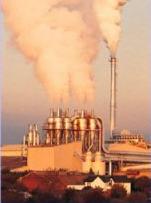
“AirPollutionSource”. Licensed under Public Domain via Wikimedia Commons

I-732 is a statewide initiative planned for next fall that would impose a statewide carbon tax and use the proceeds to reduce the sales tax by 1 point, essentially eliminate the B&O tax on manufacturing, and provide a tax credit for low-income households. Many liberal groups, including Governor Inslee, would instead like to use the money on climate programs and other political priorities, and are backing an alternative, much less mature, initiative that does that.

If you believe that climate change is an emergency, as I do, you shouldn’t allow your political beliefs about size of government distract you from supporting both initiatives. Neither will solve the world’s problems alone, but every little bit helps: for any amount of warming, a little less warming will have somewhat less dire consequences. It also serves as a model proving that carbon taxes won’t destroy the economy, and collective action always requires contributions that in isolation don’t solve the problem. More to the point of Seattle Transit Blog, taxes on fossil fuels naturally capture their externalities and encourage less energy-intensive modes of living and transport.

I chided progressives for slamming I-732, partly because of the above, and partly because I thought I-732 had a more realistic chance of appealing to the median voter. Perhaps it does, but part of the implied mechanism is that conservative groups would recognize a tax cut when they see it, and the business community would fulfill their fiduciary duty to shareholders rather than express class solidarity with the fossil fuel industry. But (ha ha) of course they didn’t:
Continue reading “I-732 Moving Ahead, Conservatives Passing Up A Good Deal”

News Roundup: Merry Christmas

Very Seattle, Very Black & White

This is an open thread.

2016 City Council Committee Assignments

Last Week Heidi Groover described the 2016 committee assignments under incoming Council President Bruce Harrell. These committees are the figures that do the most to shape legislation in their subject areas. Of most interest to STB readers are Sustainability and Transportation, which manages Seattle’s bus service purchases, Move Seattle implementation, and Seattle’s rights of way; Planning, Land Use, and Sustainability, which handles zoning; and the new “Affordable Housing, Neighborhoods, and Finance,” whose exact relationship to PLUS is not yet clear . Each committee has a chair, vice-chair, member, and alternate, listed respectively below.

Sustainability and Transportation (formerly “Transportation”):

Old: Tom Rasmussen, Mike O’Brien, Jean Godden, Nick Licata.

New: Mike O’Brien, Rob Johnson, Kshama Sawant, Lisa Herbold.

My Take: A big improvement. Jean Godden acted like the former Times columnist she was, skeptical of transportation taxes and anything that reduced the primacy of car access. Licata and Rasmussen are both big bus fans, skeptical of rail, and cranky about different things; Rasmussen turned out to be more obstructionist, but both were on-side when the big decisions came down. All three were, of course, Deep Bore Tunnel supporters.

We expect Rob Johnson , former head of TCC and longtime friend of the blog, to be an absolute rock star. Sawant and (likely) Herbold share Licata’s agitation over regressive taxes, but recognize that it’s better than no revenue at all. We expect them both to not be huge improvements, but mildly less representative of old Seattle and therefore of easy and cheap driving, everywhere, any time.

So the whole committee gets considerably younger (which likely changes their outlook in a positive way) and adds one bona fide rock star.

Planning, Land Use, and Sustainability

Old: Mike O’Brien, Tim Burgess, Nick Licata, Sally Clark/John Okamoto

New PLUS: Rob Johnson, Mike O’Brien, Lisa Herbold, Lorena Gonzalez

New “Affordable Housing, Neighborhoods, and Finance” Committee: Burgess, Herbold, Johnson, O’Brien.

My Take: This is hard to read because there are two committees that cover the biggest fault line in Seattle’s progressive politics: between upzoning and affordable housing incentives.* So perhaps it’s best to view this as Licata being (in more ways than one) replaced by Herbold, Tim Burgess with Rob Johnson (one great urbanist to another), and then the Clark/Okamoto seat filled by a Burgess/Gonzalez platoon. People perceive Gonzalez as a Murray ally and she endorsed HALA without reservation, which is good. And of course the two committee chairs are the two I’d pick for land use stuff. So at the margins there ought to be a bit of an improvement.

This isn’t a set of committee members that will intentionally blow up HALA, but it could try to chip away at some of the pro-growth developer provisions at bit. In particular I can see the PLUS committee finding excuses to softpedal upzones.

* Setting aside the other fault line between pro-growth people and NIMBYs, where every returning member and Herbold have seen fit to side against upzones on occasion.